
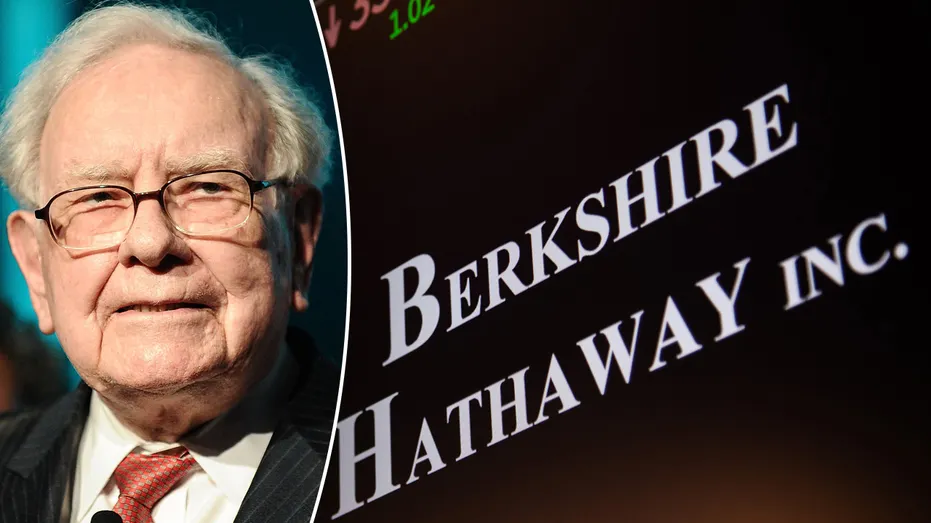
In a momentous transition that marks the close of one of the most extraordinary careers in corporate history, Warren Buffett spent his last day as CEO of Berkshire Hathaway on December 31, 2025. The 95-year-old legendary investor, often called the “Oracle of Omaha,” officially handed the reins to his handpicked successor, Greg Abel, effective January 1, 2026.
Buffett, who transformed a struggling textile company into a $1 trillion conglomerate over six decades, will remain as chairman of the board. He has signaled a step back from day-to-day operations, telling shareholders in a recent letter that he plans to “go quiet — sort of,” while continuing to share thoughts in annual letters.
The handover culminates years of careful succession planning. Buffett first publicly named Abel, 63, as his heir apparent in 2021. Abel, a Canadian-born executive who joined Berkshire in 2000 through the acquisition of MidAmerican Energy (now Berkshire Hathaway Energy), has overseen the company’s vast non-insurance operations since 2018.
Under Buffett’s leadership, Berkshire Hathaway delivered staggering returns—over 6,100,000% since he took control in the 1960s—far outpacing the S&P 500. The company owns iconic brands like Geico, BNSF Railway, Dairy Queen, and Duracell, while holding massive stakes in Apple, Coca-Cola, and American Express. As of late 2025, Berkshire sat on a record $382 billion in cash, presenting both opportunity and challenge for the new era.
On Abel’s first trading day as CEO, Berkshire shares dipped slightly, closing down about 1.5%, reflecting investor caution about life after Buffett. Yet the “Oracle” expressed unwavering confidence in his protégé during a recent interview: “Greg will be the decider… I’d rather have Greg handling my money than any of the top investment advisors or any of the top CEOs in the United States.”
Abel faces key challenges: deploying the massive cash pile amid high valuations, preserving Berkshire’s decentralized culture of autonomy for subsidiaries, and potentially exploring new sectors like technology more aggressively. Buffett famously avoided heavy tech bets until recent years, but Abel’s energy background and operational focus may bring fresh priorities, including renewables and infrastructure.
Buffett plans to continue visiting Berkshire’s modest Omaha headquarters daily, just miles from his home, ensuring his influence lingers.
As the post-Buffett chapter begins, the investing world watches closely. Berkshire’s unique structure and enduring principles—patience, value, and long-term thinking—remain intact, poised for another century of success under Abel’s stewardship.