

Eating one meal a day, known as OMAD (One Meal a Day), is an extreme form of intermittent fasting involving a 23-hour fast followed by a one-hour eating window. Popularized in wellness circles, it promises significant health perks through calorie restriction and prolonged fasting. As of 2026, research on intermittent fasting continues to grow, but specific OMAD studies remain limited—most evidence comes from broader fasting protocols.


While some people report transformative results, experts emphasize it’s not superior to moderate approaches and carries risks.
1. Weight Loss and Fat Reduction
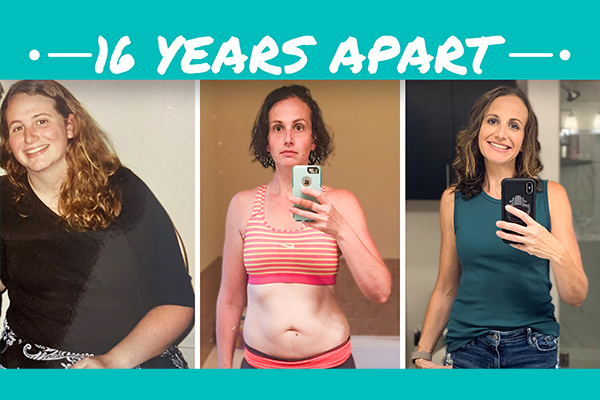
OMAD often creates a natural calorie deficit, making it effective for weight loss. Studies on intermittent fasting show 3-8% body weight reduction over 3-12 months, primarily fat loss.
Evidence: Reviews indicate time-restricted eating like OMAD promotes fat oxidation and metabolic switching to burn stored fat. Before-and-after experiences highlight visible changes, though sustainability varies.

Not more effective long-term than daily calorie control.
2. Improved Insulin Sensitivity and Blood Sugar Control
Extended fasting lowers insulin levels, enhancing sensitivity and stabilizing blood sugar—beneficial for prediabetes or metabolic issues.
Evidence: Research links prolonged fasting (18+ hours) to reduced insulin resistance and better glucose regulation. Graphs from studies show stabilized levels.


May help manage type 2 diabetes, but risky without supervision.
3. Cellular Repair via Autophagy
One key benefit is autophagy: the body’s process of clearing damaged cells and recycling components, triggered during fasting.
Evidence: Animal and human studies suggest extended fasts induce autophagy, potentially reducing inflammation and supporting longevity.


Promising for anti-aging, but human evidence is emerging.
4. Potential Cardiovascular and Metabolic Benefits
Fasting may lower cholesterol, triglycerides, and blood pressure while improving heart health markers.
Evidence: Meta-analyses of intermittent fasting show reductions in LDL cholesterol and inflammation. Some report increased energy and focus from ketosis.

Intermittent Fasting and Testosterone: Helpful or Harmful …
5. Simplified Eating and Mental Clarity
Many followers enjoy the routine’s simplicity—no constant meal planning—and report sharper focus during fasting.
Evidence: Anecdotal, with some studies noting stable moods from steady blood sugar.
Key Considerations and Risks
OMAD isn’t for everyone. High dropout rates (up to 65%) due to hunger, fatigue, irritability, and headaches. Risks include nutrient deficiencies, muscle loss, binge eating tendencies, and elevated cholesterol/blood pressure in some.
Unsuitable for pregnant people, those with eating disorders, diabetes (without monitoring), or active lifestyles needing fuel.
Milder protocols (e.g., 16:8) offer similar benefits with better adherence.
Tips for Trying OMAD Safely
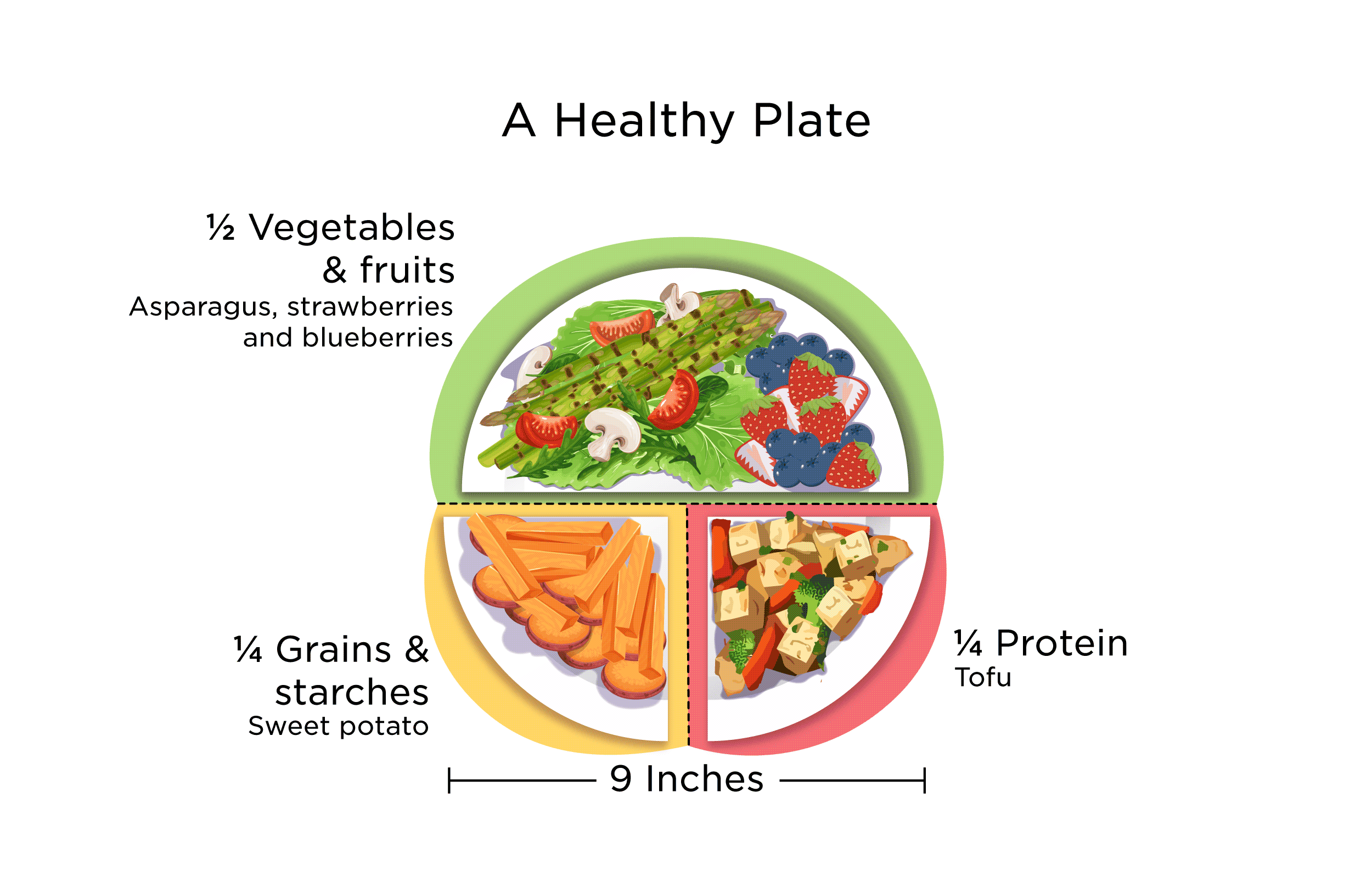
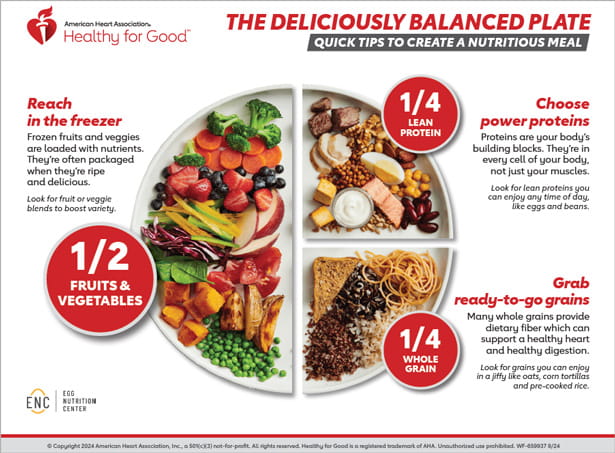
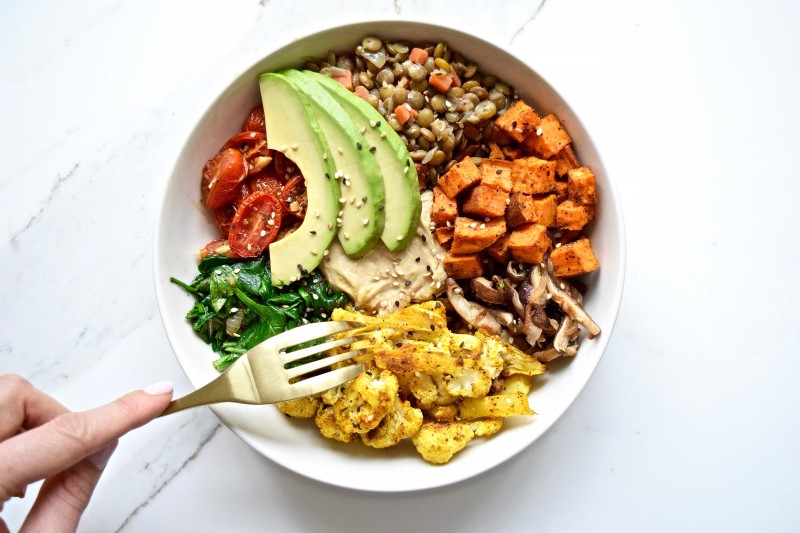
- Focus on nutrient-dense meals: Half vegetables, quality protein, healthy fats, whole grains.
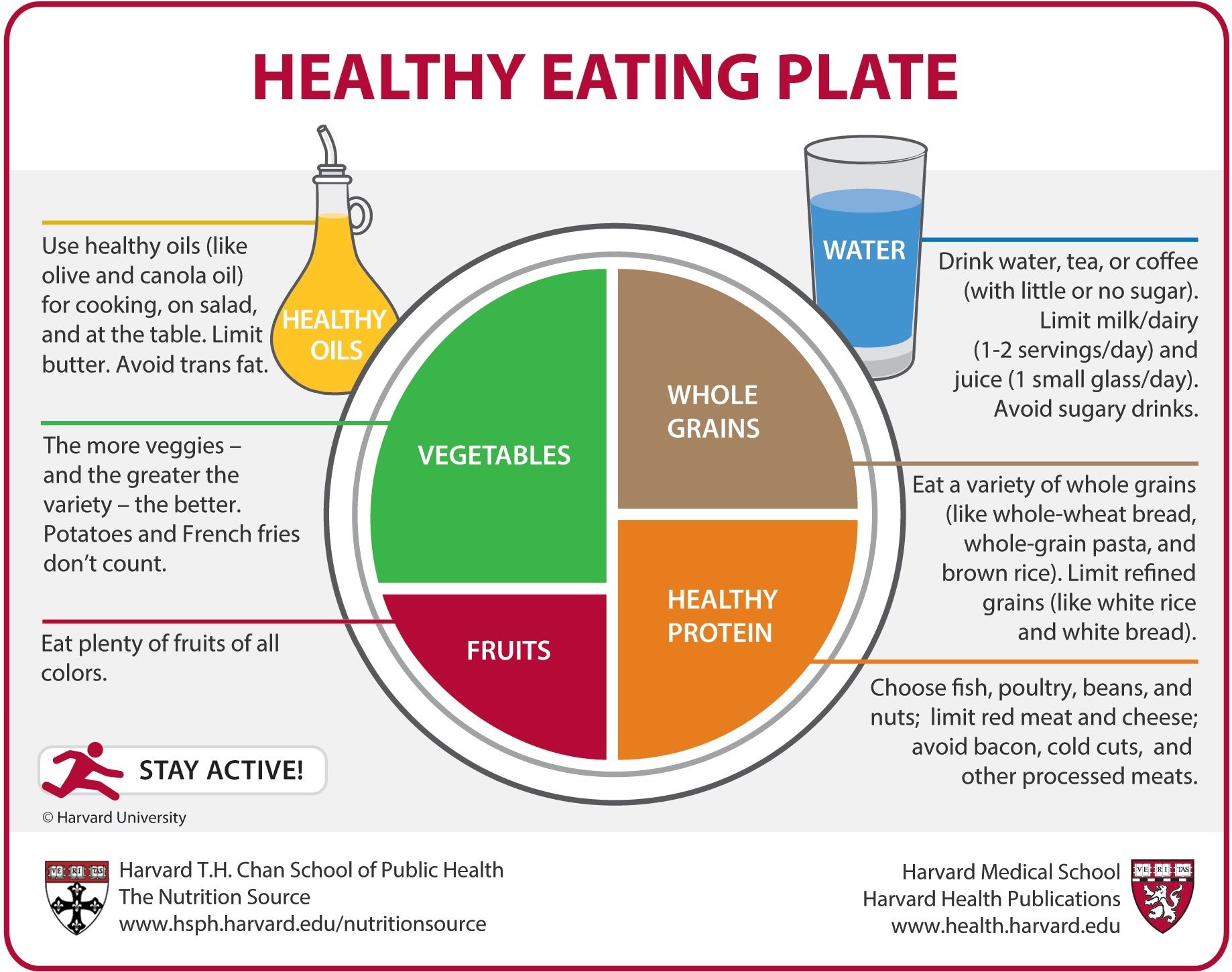
nutritionsource.hsph.harvard.edu
- Stay hydrated; consider electrolytes.
- Consult a doctor, especially with health conditions.
- Start gradually and monitor energy/mood.
Final Thoughts
OMAD can deliver real benefits like weight loss, better metabolic health, and cellular repair for some, backed by intermittent fasting research. However, it’s extreme, hard to sustain, and not proven superior to balanced calorie restriction or less restrictive fasting. In 2026, prioritize evidence-based, personalized approaches for long-term health.