
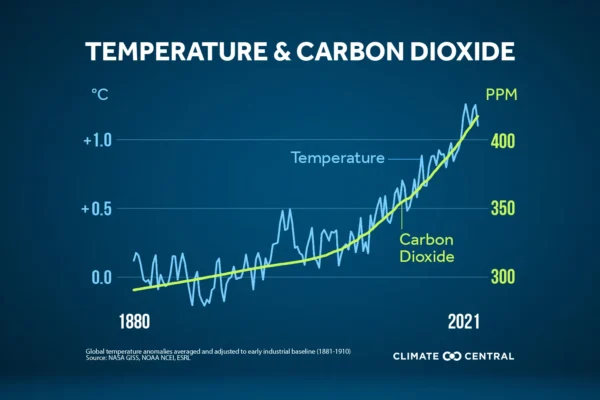
As of January 2026, global warming continues to accelerate, with 2024 confirmed as the warmest year on record and 2025 ranking as the second or third warmest. Atmospheric CO2 levels have surpassed 430 ppm in seasonal peaks, driving unprecedented extreme weather and pushing the planet closer to dangerous tipping points. While renewable energy adoption is growing rapidly, emissions reductions remain insufficient to meet Paris Agreement goals.
Current Temperature Trends
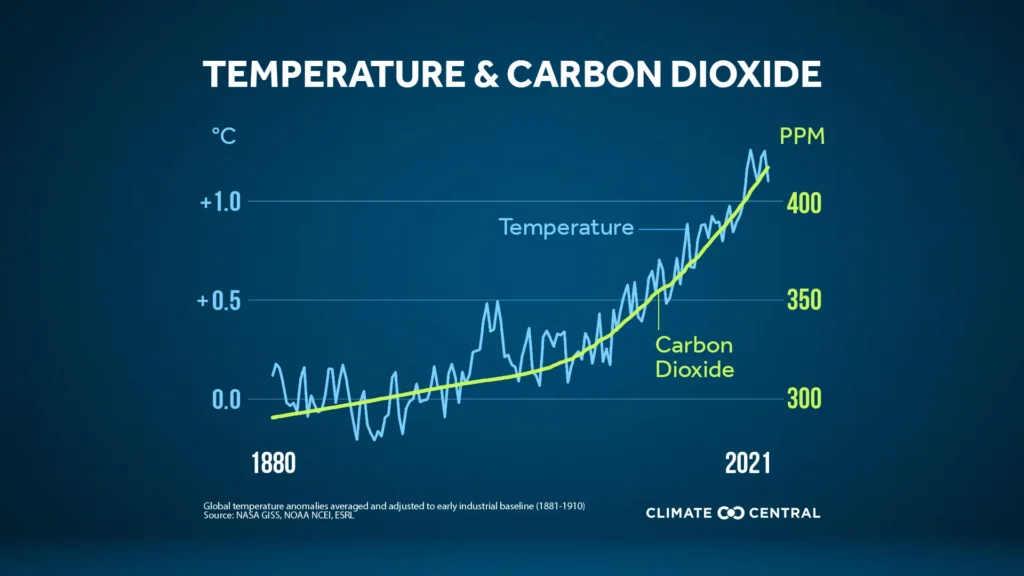
Global surface temperatures in 2024 reached approximately 1.55°C above pre-industrial levels, marking the first full year exceeding 1.5°C. 2025 saw a slight cooling due to transitioning La Niña conditions but still ranked among the top three warmest years, with anomalies around 1.48°C for the January-November period.
Projections for 2026 indicate it will likely be among the four warmest years, with a potential shift to moderate El Niño conditions pushing temperatures higher later in the year. The three-year average (2023-2025) stands at +1.5°C relative to 1880-1920 baselines.
Rising CO2 Levels and Emissions
Atmospheric CO2 concentrations hit record highs in 2025, peaking above 430 ppm in May—the highest seasonal maximum observed. Annual increases continue unabated, with human activities as the primary driver.
Earth’s energy imbalance has doubled since 1975, accelerating heat accumulation in oceans and land. Despite per capita emissions declining in some regions, global totals remain high, with sinks like forests showing signs of stress.
Impacts and Extreme Weather in 2025
2025 witnessed devastating events amplified by climate change:
- Catastrophic wildfires in Los Angeles and Alaska.
- Deadly floods in Texas, the Pacific Northwest, and Southeast Asia (e.g., Indonesia-Malaysia cyclones killing over 1,800).
- Record typhoon and hurricane seasons, including Category 5 Hurricane Melissa.
- Intense heatwaves, droughts, and tornado outbreaks.
The Climate Risk Index highlights vulnerable nations suffering disproportionate losses, with over 832,000 lives lost globally from extreme weather since 1995.
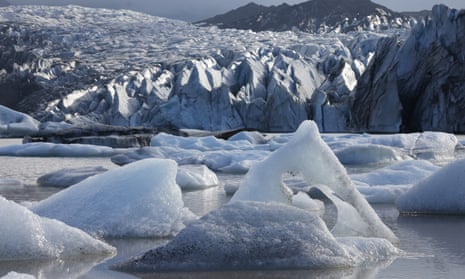

Melting glaciers contributed nearly 2cm to sea level rise this century, threatening coastal communities. Biodiversity loss and ocean acidification compound risks.


Progress and Challenges Under the Paris Agreement
Ten years post-Paris, over 122 countries submitted updated Nationally Determined Contributions (NDCs) ahead of COP30, covering ~80% of emissions and aiming for 12% reductions below 2019 levels by 2035.
COP30 in Belém, Brazil, delivered:
- Commitments to mobilize $1.3 trillion annually by 2035.
- Tripling adaptation finance.
- New indicators for adaptation and a Gender Action Plan.
- Advances in carbon markets (Article 6).
However, gaps persist: no binding fossil fuel phase-out roadmap, insufficient finance for loss and damage, and U.S. withdrawal planned for January 2026.

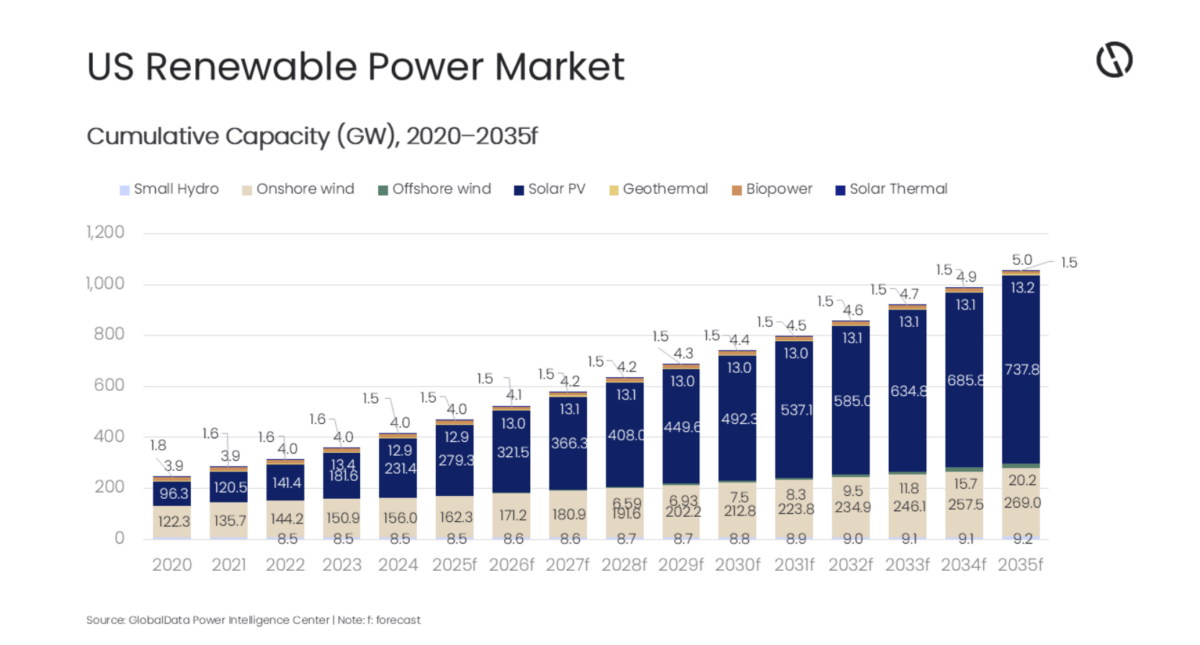
Bright Spots: Renewable Energy Growth
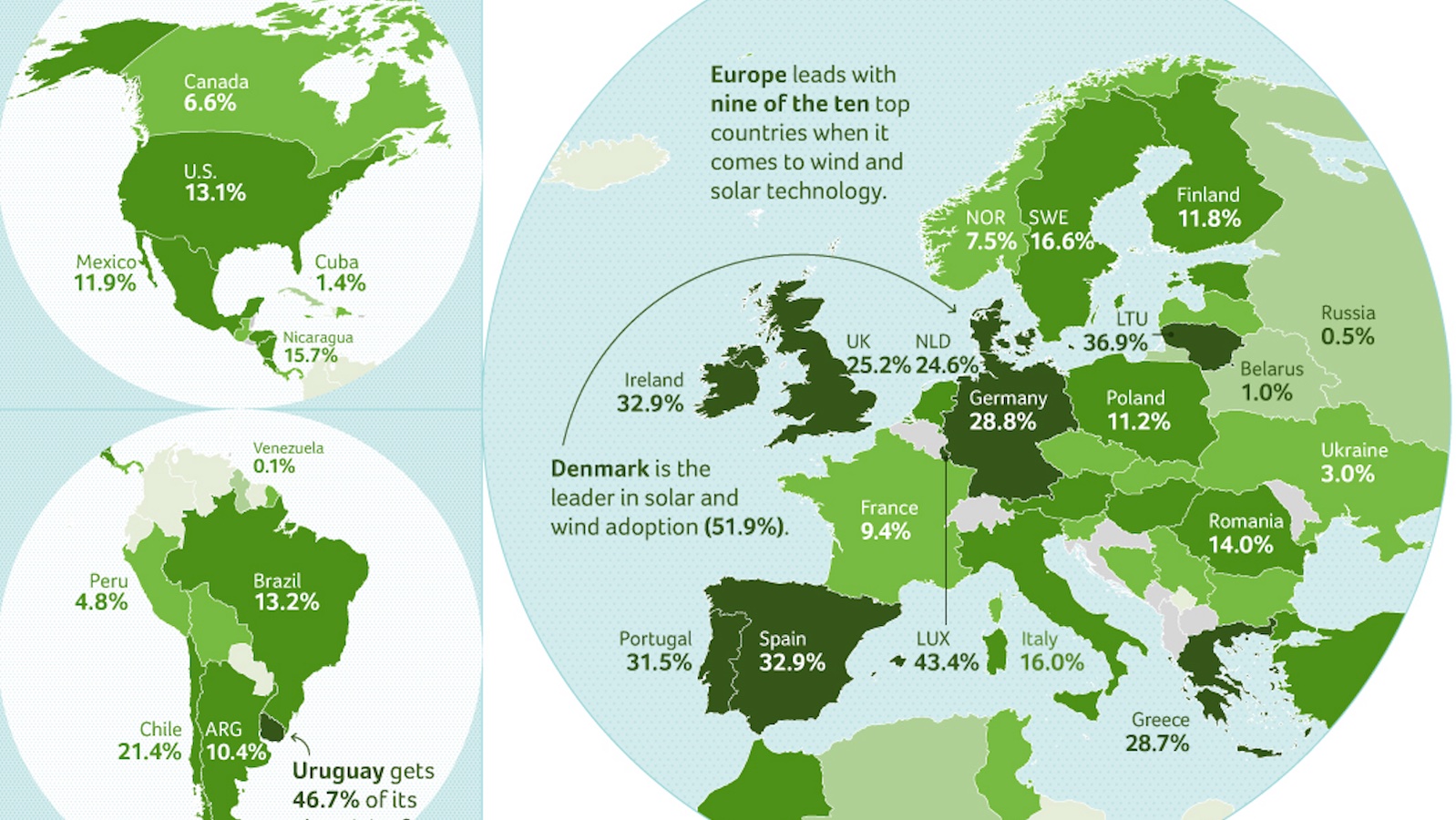
Clean energy reached 40% of global electricity in recent years, with massive expansions in wind and solar. Projections show continued rapid deployment, though fossil fuels still dominate.

Outlook and Urgent Action Needed
Current trajectories risk exceeding 2.6°C this century, far overshooting Paris goals. Scientists warn of accelerating warming, strained carbon sinks, and tipping points.
Immediate deep emissions cuts, scaled-up finance (especially for vulnerable nations), and fossil fuel transition are essential. COP31 in 2026 will be pivotal for stronger NDCs.
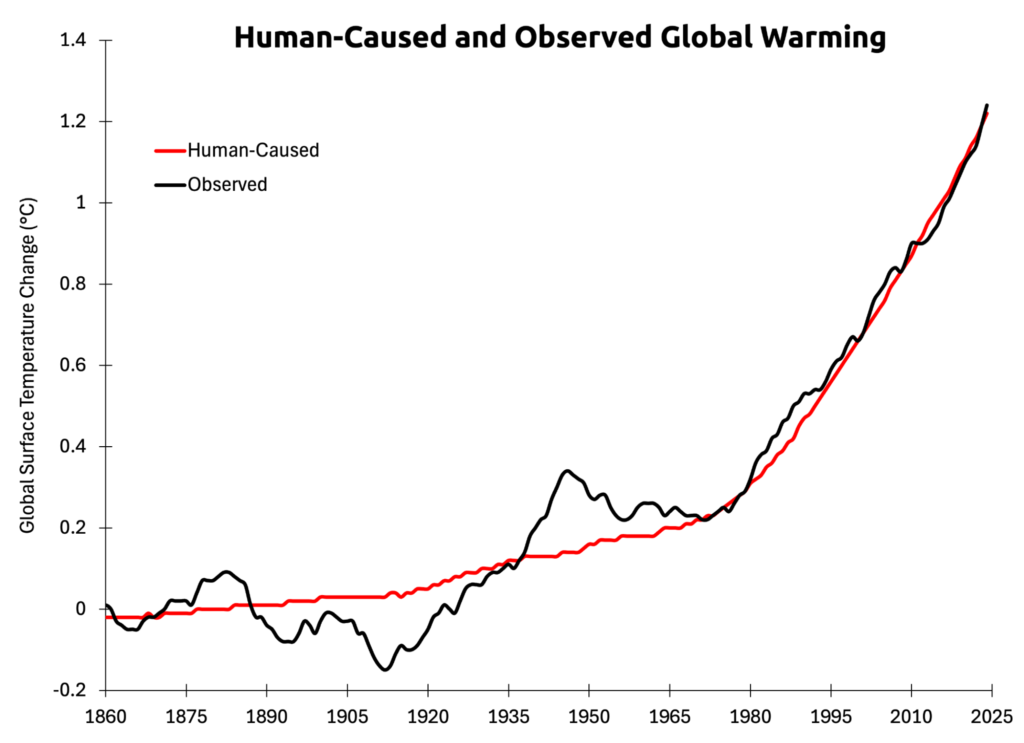
The evidence is unequivocal: human-caused warming demands bold, equitable action now to secure a livable future.